Arabic vs French Perfumes: Which Fragrance Style Is Right for You?

Perfume is more than just a pleasant scent. It can become part of your personality, influence how people remember you, and even set the mood for an occasion. Among the many fragrance styles available today, Arabic and French perfumes are two of the most popular choices. Both offer excellent fragrances, but they often differ in ingredients, concentration, projection, longevity, and overall fragrance character.
Arabic perfumes are widely known for their rich, warm, and powerful compositions, while French perfumes are often associated with elegance, refinement, and balanced fragrance structures. However, choosing between them is not always as simple as picking one style over the other.
In this guide, we will compare Arabic vs French perfumes in detail so you can understand their major differences and decide which fragrance style suits your personality, lifestyle, and budget.
What Are Arabic Perfumes?
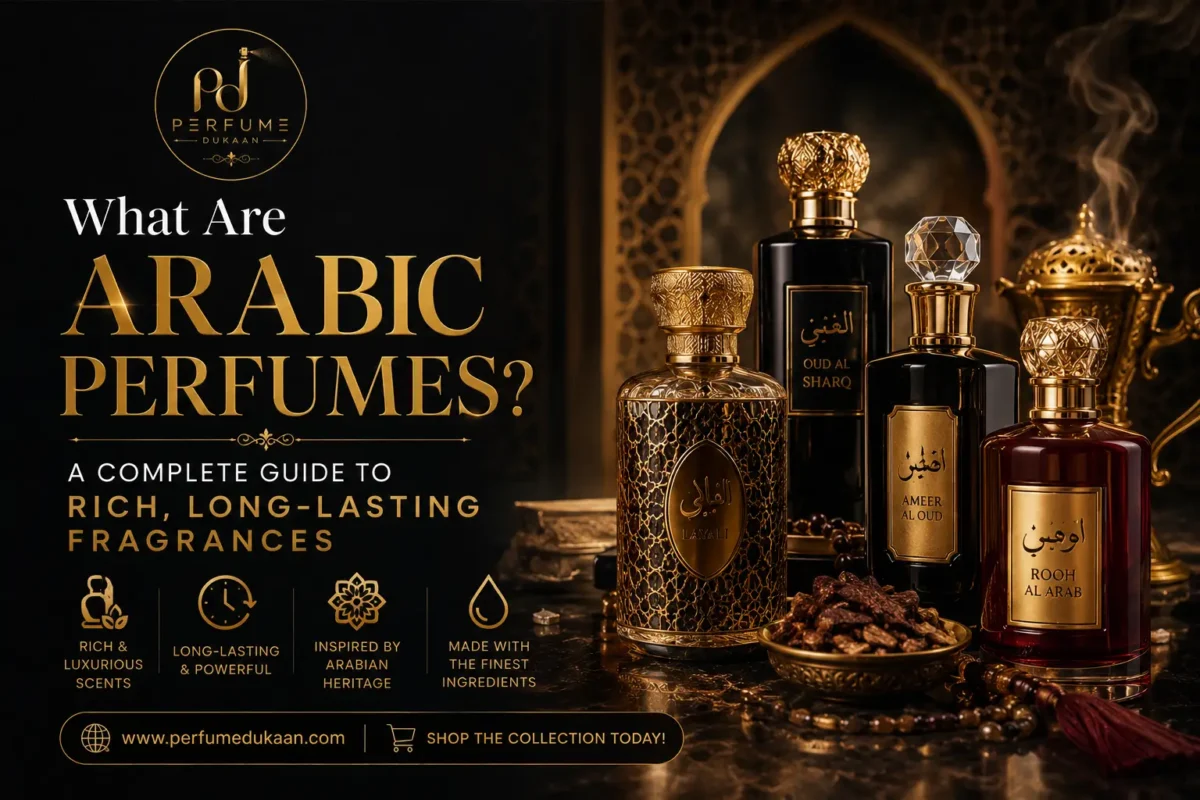
Arabic perfumes are fragrances inspired by Middle Eastern perfumery traditions. They commonly feature rich ingredients such as oud, amber, musk, saffron, rose, vanilla, incense, sandalwood, and spices.
Traditional Arabic fragrance culture has a long history, and perfume has played an important role in personal grooming and hospitality across the Middle East. Modern Arabic perfumes combine these traditional ingredients with contemporary fragrance techniques, creating scents suitable for both everyday use and special occasions.
One of the most recognizable characteristics of Arabic perfumes is their intensity. Many Arabic fragrances are designed to have noticeable projection and impressive longevity. This makes them especially attractive to people who enjoy perfumes that remain noticeable for many hours.
Arabic perfumes are also available in a wide variety of styles. You can find sweet gourmand fragrances, smoky oud perfumes, fresh citrus compositions, floral scents, woody fragrances, and modern blends designed for men, women, and unisex wear.
What Are French Perfumes?
French perfumes are strongly associated with the global perfume industry, particularly the historic fragrance houses of France. French perfumery is known for its attention to composition, balance, craftsmanship, and sophisticated fragrance structures.
Many French perfumes use combinations of citrus, florals, woods, fruits, vanilla, musk, patchouli, and aromatic notes. Instead of relying heavily on one dominant ingredient, French fragrances often focus on creating a smooth progression between different fragrance notes.
French perfumes are available in different concentrations, including Eau de Cologne, Eau de Toilette, Eau de Parfum, and Parfum. Their character can range from light and fresh to rich and luxurious.
For many people, French fragrances are associated with elegance and versatility. They can work particularly well in professional environments, formal events, romantic evenings, and everyday situations.
Arabic vs French Perfumes: The Main Differences
Although there are no strict rules that apply to every perfume, some general differences can help you understand both fragrance styles.
1. Fragrance Ingredients
Arabic perfumes frequently showcase ingredients traditionally connected with Middle Eastern perfumery.
Common ingredients include:
- Oud
- Amber
- Musk
- Saffron
- Rose
- Frankincense
- Sandalwood
- Vanilla
- Cardamom
- Spices
French perfumes can also contain many of these ingredients, but their compositions often emphasize floral, citrus, fruity, aromatic, and woody combinations.
Popular French-style notes include:
- Rose
- Jasmine
- Lavender
- Bergamot
- Lemon
- Orange blossom
- Patchouli
- Vanilla
- Cedarwood
- Vetiver
The important point is that ingredients are not exclusive to one region. A French perfume can contain oud, while an Arabic perfume can feature citrus or floral notes. The difference often comes from how the ingredients are combined and presented.
2. Longevity
Longevity refers to how long a fragrance remains detectable after application.
Many Arabic perfumes are known for strong longevity, particularly fragrances featuring concentrated oils, oud, amber, musk, woods, and resins. Some can remain noticeable for many hours and may stay on clothing even longer.
French perfumes also offer excellent longevity, especially Eau de Parfum and Parfum concentrations. However, lighter Eau de Toilette and Eau de Cologne fragrances may be designed to provide a fresher and shorter-lasting experience.
If your priority is long-lasting fragrance, many Arabic perfumes can be excellent choices. However, always check the specific perfume rather than judging longevity only by its country of inspiration.
3. Projection and Sillage
Projection describes how strongly a perfume can be smelled around the wearer, while sillage refers to the scented trail left behind.
Arabic perfumes often have bold projection, particularly during the first few hours after application. Oud, amber, musk, spices, and sweet notes can create a strong presence.
French fragrances frequently aim for a more controlled and polished fragrance experience. Some are powerful, while others sit closer to the skin.
If you enjoy entering a room with a noticeable fragrance presence, an intense Arabic perfume may appeal to you. If you prefer something subtle and sophisticated, a lighter French fragrance may be more appropriate.
4. Fragrance Character
Arabic perfumes are often described as:
- Warm
- Rich
- Sweet
- Spicy
- Smoky
- Woody
- Exotic
- Sensual
French perfumes are often associated with:
- Elegant
- Fresh
- Floral
- Clean
- Sophisticated
- Romantic
- Refined
- Balanced
Of course, these descriptions are general. Modern perfumery has blurred many traditional boundaries.
Which One Lasts Longer: Arabic or French Perfume?
There is no universal answer because longevity depends on several factors.
The fragrance concentration, ingredients, skin type, weather, application method, and individual perfume formula all influence performance.
For example, a concentrated Arabic perfume containing oud, amber, musk, and woods may last considerably longer than a light citrus fragrance. On the other hand, a high-quality French Parfum can also offer exceptional longevity.
Therefore, instead of asking whether Arabic or French perfumes always last longer, consider the concentration and formula of the specific fragrance.
Arabic vs French Perfumes for Indian Weather
Weather is another important factor when choosing perfume.
India experiences different climates across regions, with hot and humid conditions in many areas for a significant part of the year. Heavy fragrances can sometimes feel overwhelming during very hot weather.
For daytime use in warm weather, fresh citrus, aquatic, aromatic, and light floral fragrances can be comfortable choices.
Arabic perfumes with oud, amber, spices, and sweet notes may work especially well during evenings, winter months, celebrations, weddings, and special occasions.
However, lighter Arabic fragrances also exist, so you do not have to avoid Arabic perfumery during summer. Similarly, rich French fragrances can work beautifully during cooler evenings.
Which Is Better for Daily Wear?
For everyday use, your environment matters.
If you work in an office or spend much of the day in close proximity to other people, a fragrance with moderate projection may be easier to wear. Many French-style fragrances fit this requirement because they offer fresh, clean, floral, or sophisticated compositions.
Arabic perfumes can also be excellent for daily wear, especially when you choose a fragrance with moderate projection rather than an extremely powerful oud or amber composition.
The best everyday perfume is one that makes you feel comfortable without overwhelming the people around you.
Which Is Better for Weddings and Special Occasions?
Arabic perfumes can be particularly impressive for weddings, festivals, parties, and evening celebrations.
Their rich oud, rose, saffron, amber, musk, and sweet compositions can create a luxurious atmosphere. They can also complement traditional clothing and formal outfits beautifully.
French perfumes are equally suitable for special occasions. Floral, woody, oriental, gourmand, and sophisticated compositions can create an elegant and memorable impression.
For a grand evening event, choose a stronger fragrance. For a daytime wedding or outdoor event, a fresher composition may be more comfortable.
Price Comparison
Price varies significantly in both categories.
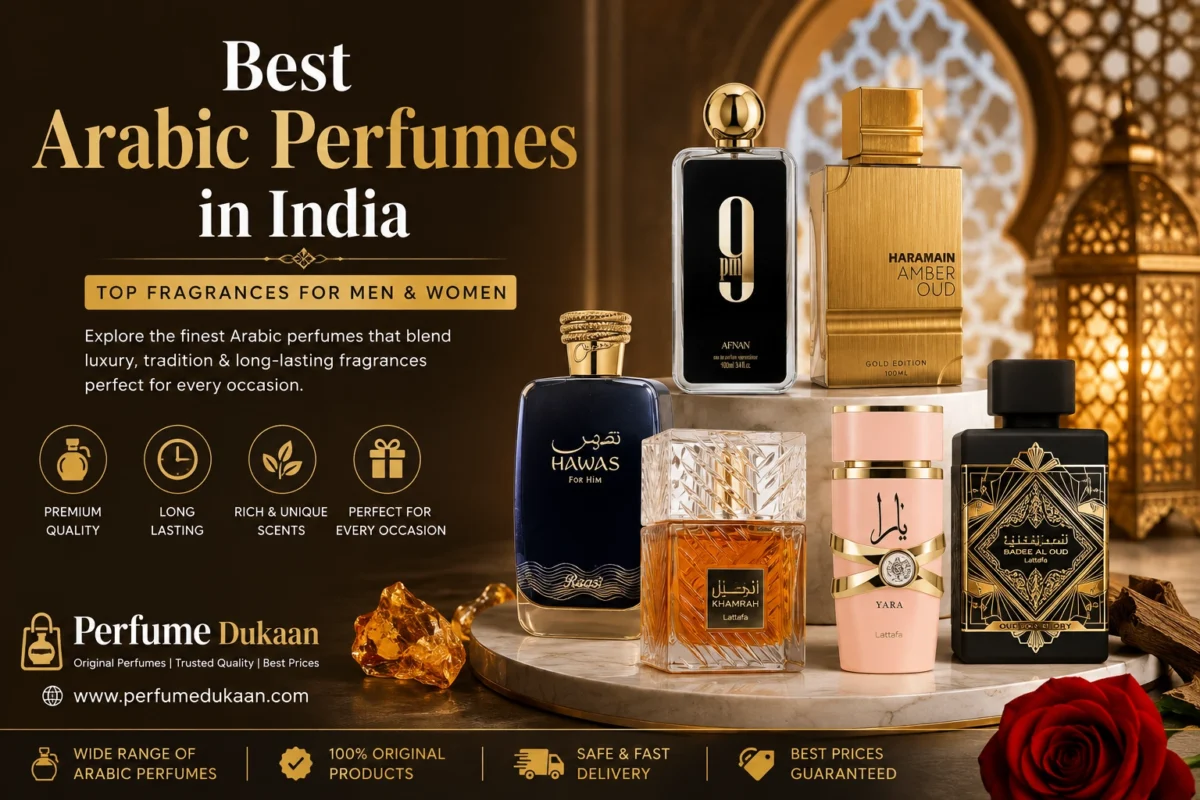
Arabic perfumes range from affordable everyday fragrances to premium luxury attars and high-end perfume oils. One advantage of the Arabic fragrance market is the large selection available at different price points.
French perfumes also cover a broad range. Designer fragrances can be relatively accessible, while luxury and niche French perfumes may cost significantly more.
Do not assume that a higher price automatically means better quality. Fragrance preference is personal, and an affordable perfume may suit you better than an expensive one.
Arabic Perfume Oils vs French Spray Perfumes
Another major difference can be the format.
Traditional Arabic perfumery has a strong connection with perfume oils and concentrated attars. These products are often applied directly to pulse points and can provide a close-to-skin fragrance experience.
French perfumery is strongly associated with alcohol-based sprays, although French perfume houses also produce different formats.
Perfume oils can be convenient when you want a concentrated application and minimal spraying. Spray perfumes can provide easier application over larger areas and often create a more noticeable initial cloud of fragrance.
Both formats have advantages, so the choice depends on personal preference.
Which Perfume Is Better for Men?
Men can enjoy both Arabic and French perfumes.
Arabic fragrances can be excellent for men who prefer:
- Oud
- Leather
- Amber
- Spices
- Musk
- Woody notes
- Strong projection
French fragrances may appeal to men who prefer:
- Citrus
- Fresh woods
- Aromatic notes
- Lavender
- Vetiver
- Marine accords
- Clean musk
Modern unisex perfumery also makes these categories less restrictive. Many Arabic and French fragrances can be worn confidently by anyone.
Which Perfume Is Better for Women?
Women can also choose from a huge variety of both fragrance styles.
Arabic perfumes often offer beautiful combinations of rose, oud, vanilla, amber, musk, saffron, and sweet notes. These can create a luxurious and sensual fragrance profile.
French fragrances often feature jasmine, rose, orange blossom, vanilla, fruits, citrus, musk, and woods. They can range from fresh and delicate to deep and glamorous.
Instead of choosing based solely on whether a perfume is Arabic or French, focus on the fragrance notes you personally enjoy.
How to Choose Between Arabic and French Perfumes
If you are still unsure, start by identifying your preferred fragrance personality.
Choose an Arabic perfume if you enjoy:
- Strong and long-lasting fragrances
- Oud and woody notes
- Warm amber
- Spices and saffron
- Sweet and rich compositions
- Powerful projection
- Luxurious evening fragrances
Choose a French perfume if you prefer:
- Elegant and balanced compositions
- Fresh citrus notes
- Floral fragrances
- Clean and sophisticated scents
- Moderate projection
- Versatile office-friendly perfumes
- Classic European fragrance styles
You can also own both. There is no reason to limit yourself to one fragrance tradition.
Can Arabic and French Perfumes Be Similar?
Absolutely.
Modern fragrance brands frequently take inspiration from different perfumery traditions. You may find an Arabic perfume with a fresh French-style structure, or a French fragrance featuring oud, saffron, amber, and Middle Eastern-inspired accords.
This is one of the most exciting developments in modern perfumery. The boundaries between fragrance traditions are becoming less rigid, giving perfume lovers more choices than ever before.
Final Verdict: Arabic or French Perfumes?
So, which is better—Arabic or French perfume?
The answer depends on your personal taste.
Arabic perfumes are excellent for fragrance lovers who enjoy richness, intensity, oud, amber, musk, spices, sweetness, and strong performance. They can be especially attractive for evening wear, celebrations, weddings, and colder weather.
French perfumes are ideal for people who appreciate elegant compositions, fresh notes, floral accords, sophisticated blends, and versatile fragrances suitable for different occasions.
Neither style is automatically better. The best perfume is the one that matches your personality, skin chemistry, lifestyle, occasion, and fragrance preferences.
If you are exploring Arabic fragrances for the first time, start with a versatile fragrance rather than immediately choosing the strongest oud. If French perfumery is new to you, explore different concentrations and fragrance families to discover what works best on your skin.
Ultimately, perfume is personal. Your perfect fragrance may even be a combination of both worlds—a modern Arabic perfume with French-inspired elegance or a French fragrance featuring rich Middle Eastern ingredients.
Frequently Asked Questions
1. Are Arabic perfumes stronger than French perfumes?
Many Arabic perfumes are known for strong projection and longevity, but performance depends on the individual fragrance and its concentration.
2. Which perfume lasts longer, Arabic or French?
Neither category always lasts longer. Concentration, ingredients, skin chemistry, weather, and application all influence longevity.
3. Are Arabic perfumes suitable for everyday use?
Yes. Choose lighter or moderate-projection Arabic fragrances for offices and daytime use.
4. Are French perfumes only for women?
No. French perfumery offers fragrances for men, women, and unisex wear.
5. Which is better for weddings?
Rich Arabic perfumes can be excellent for evening weddings, while elegant French fragrances can work beautifully for daytime or formal occasions. The right choice depends on the event and your personal taste.