Perfume in India: A Complete Guide to Fragrances, Trends, and Choosing the Right Scent

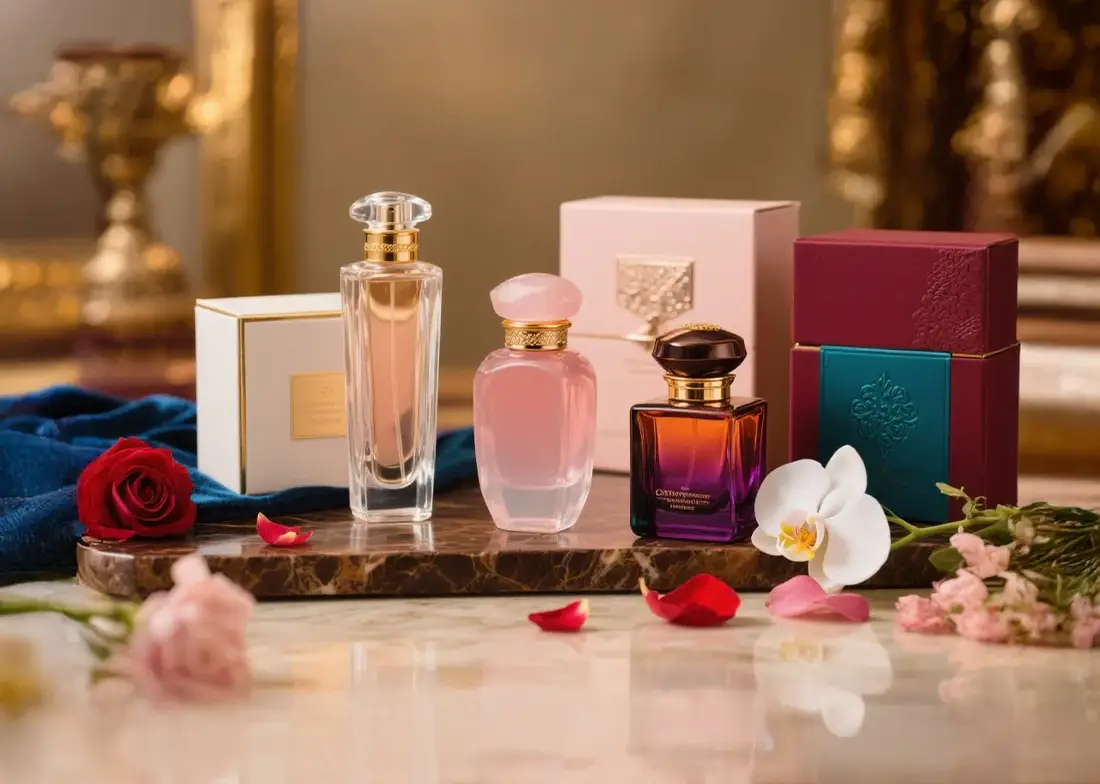
Perfume in India has become much more than a finishing touch to a daily outfit. Fragrance is now an important part of personal style, self-expression, grooming, and even gifting. From traditional attars and rich oud-based fragrances to modern designer perfumes and affordable everyday scents, the Indian fragrance market offers something for almost every preference and budget.
India’s diverse climate, cultural traditions, and growing interest in personal grooming have helped create a unique perfume culture. Whether you are looking for a fragrance for work, a wedding, a date, a festival, or everyday use, understanding the basics can help you find a scent that feels right for you.
The Growing Popularity of Perfume in India
The popularity of perfumes in India has grown significantly as consumers have become more familiar with different fragrance families and international perfume trends. Social media, beauty influencers, e-commerce platforms, and changing lifestyles have also made fragrances more accessible.
Earlier, many people associated perfume primarily with special occasions. Today, wearing fragrance is increasingly part of everyday grooming. Young consumers, professionals, and fragrance enthusiasts are exploring multiple perfumes instead of relying on a single signature scent.
Another important factor is the availability of products at different price points. Consumers can choose from inexpensive body sprays and perfumes to premium and luxury fragrances. This wider selection has made it easier for people to experiment with different scents.
Traditional Indian Attars and Modern Perfumes
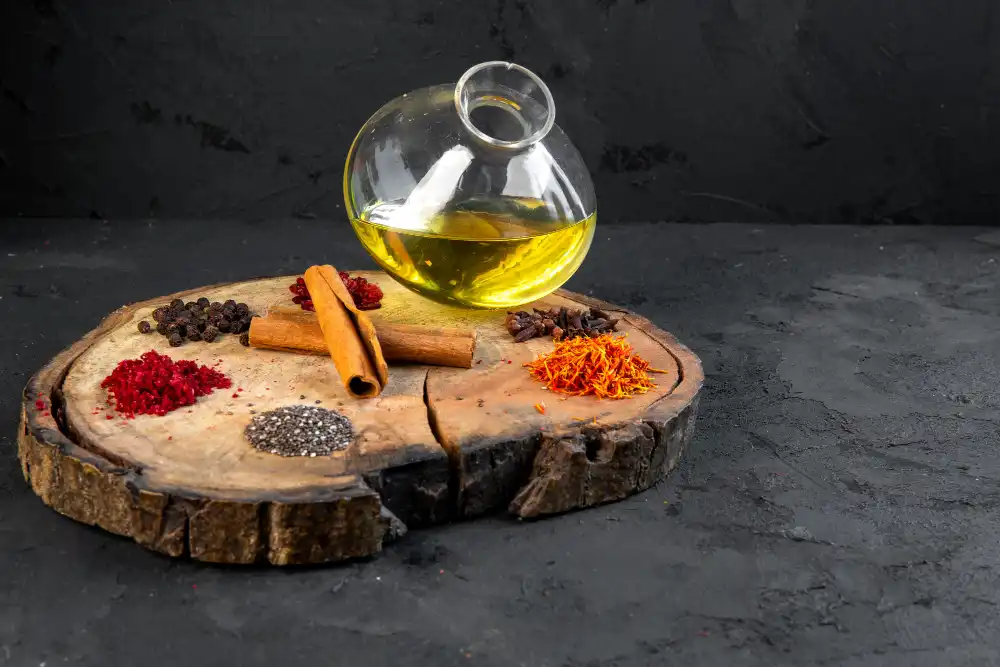
India has a long history of fragrance making. Traditional attars are an important part of this heritage. Attar is typically a concentrated fragrance created by distilling botanical materials and other aromatic ingredients into a base such as sandalwood oil.
Kannauj in Uttar Pradesh is particularly famous for its traditional perfume industry. The city has been associated with natural fragrance production for centuries and is known for products such as rose, jasmine, mitti, and other traditional attars.
Modern perfumes, meanwhile, often use a combination of natural and synthetic aroma materials. They are generally formulated using fragrance oils, alcohol, and other ingredients to create specific scent profiles.
Both styles have their own appeal. Attars can offer a distinctive, intimate, and traditional fragrance experience, while modern perfumes provide an enormous variety of compositions and often offer convenient spray formats.
Popular Perfume Fragrance Families
Understanding fragrance families is one of the easiest ways to narrow down your choices. Perfumes are commonly grouped according to their dominant characteristics.
1. Floral Fragrances
Floral perfumes feature flowers as a major component of the scent. Rose, jasmine, tuberose, lavender, and orange blossom are common examples.
Floral fragrances can range from light and fresh to rich and sensual. They are popular for everyday wear as well as weddings and other celebrations.
2. Woody Fragrances
Woody perfumes often include notes such as sandalwood, cedarwood, vetiver, and patchouli. They tend to feel warm, sophisticated, and grounded.
Woody fragrances can work particularly well for evening occasions and cooler weather, although lighter woody compositions can also be suitable for daytime use.
3. Citrus Fragrances
Citrus perfumes use notes such as lemon, bergamot, orange, grapefruit, and mandarin. They are usually bright, refreshing, and energetic.
Because of India’s generally warm climate, fresh citrus fragrances can be particularly appealing during summer and daytime.
4. Oriental and Ambery Fragrances
These fragrances often feature warm ingredients such as amber, vanilla, spices, resins, and woods. They can feel rich, sweet, dramatic, and luxurious.
Such perfumes are often popular for evening wear, festive occasions, and winter months.
5. Fresh and Aquatic Fragrances
Fresh fragrances may include aquatic, green, aromatic, or clean-smelling notes. They are usually easy to wear and can be a good choice for offices, travel, and daily activities.
How India’s Climate Affects Perfume
Climate is an important consideration when buying perfume in India. Heat and humidity can influence how quickly fragrance evaporates and how strongly it projects from the skin.
In hot weather, heavy and extremely sweet fragrances can sometimes feel overwhelming. Fresh, citrus, aquatic, green, and lighter aromatic perfumes may feel more comfortable.
During cooler months, richer woody, spicy, amber, vanilla, and oud fragrances can become especially attractive.
However, there are no strict rules. Personal preference matters, and the same perfume can smell different depending on skin chemistry, temperature, humidity, and application.
Perfume for Different Occasions
One fragrance does not necessarily have to work for every situation.
For office and professional settings, consider clean, fresh, subtle fragrances. Strong projection may not always be appropriate in enclosed spaces, so moderation is important.
For casual everyday wear, citrus, fresh, aromatic, fruity, and light woody fragrances are versatile choices.
For dates and evening outings, you may prefer fragrances with vanilla, amber, musk, woods, spices, or floral notes.
For weddings and festivals, richer compositions can complement traditional clothing and celebratory environments. Rose, jasmine, saffron, oud, sandalwood, amber, and spicy notes can create a more luxurious impression.
For travel, fresh and versatile perfumes are often practical. A compact bottle or travel spray can also be easier to carry.
Eau de Parfum, Eau de Toilette, and Other Types
When shopping for perfume in India, you will often see terms such as Eau de Parfum (EDP), Eau de Toilette (EDT), and Eau de Cologne (EDC).
These terms generally refer to fragrance concentration, although exact concentrations can vary between products and brands.
Eau de Parfum usually has a higher fragrance concentration than Eau de Toilette and may offer stronger or longer-lasting performance.
Eau de Toilette is often lighter and can be a comfortable choice for daytime use.
Eau de Cologne is generally lighter still and is commonly associated with a fresh, short-lived fragrance experience.
It is important to remember that concentration alone does not determine longevity. Ingredients, formulation, skin chemistry, application, and environmental conditions all influence performance.
How to Choose the Right Perfume
Choosing perfume should be a personal experience rather than simply following trends.
Start by identifying the types of scents you already enjoy. Do you prefer fresh and clean smells, sweet fragrances, flowers, woods, spices, or traditional Indian notes?
Whenever possible, test a perfume on your skin rather than judging it only from a paper strip. A fragrance develops over time, so give it several minutes before deciding.
Perfumes generally develop in stages. The top notes are noticeable soon after application. The heart or middle notes become more prominent as the perfume develops, while the base notes remain after the lighter elements fade.
This is why a perfume can smell very different after 30 minutes compared with its first spray.
Avoid testing too many fragrances at once because your sense of smell can become overwhelmed. If you are shopping in person, smelling coffee beans between fragrances may help reset your nose, although simply taking a break can also be useful.
Where to Buy Perfume in India
Consumers can purchase perfume from department stores, dedicated fragrance retailers, brand stores, beauty retailers, and online marketplaces.
When buying online, pay attention to the seller, product details, packaging, customer reviews, and return policies. Popular perfumes are sometimes imitated, so purchasing from an authorised or reputable seller is important, particularly for expensive fragrances.
Price should not be the only factor. A fragrance that suits your preferences and performs well for your needs can offer better value than a more expensive perfume that you rarely enjoy wearing.
How to Make Your Perfume Last Longer
Good application can improve the fragrance experience.
Apply perfume to pulse points such as the wrists, neck, and behind the ears. Some people also apply fragrance lightly to clothing, provided the product is suitable for the fabric and does not leave stains.
Moisturised skin can help fragrance remain noticeable for longer than very dry skin. Applying an unscented moisturiser before perfume is a simple option.
Avoid aggressively rubbing your wrists together after spraying. Let the fragrance dry naturally so that you do not unnecessarily disturb the opening of the composition.
Storage also matters. Keep perfume away from direct sunlight, excessive heat, and major temperature fluctuations. A cool, dry place away from windows is generally a better choice than a bathroom exposed to frequent heat and humidity.
Perfume as a Gift in India
Perfume is one of the most popular personal-care gifts because it combines practicality with personal expression. It can be suitable for birthdays, anniversaries, weddings, festivals, corporate occasions, and celebrations.
If you are buying perfume for someone else, consider their personality and existing preferences. Fresh fragrances may appeal to someone who prefers simplicity, while woody, floral, sweet, or spicy fragrances may suit different tastes.
If you are unsure about their preferred scent, a discovery set or smaller bottle can be a safer option than purchasing a large bottle of an unfamiliar fragrance.
The Future of the Indian Fragrance Market
The Indian perfume market is likely to continue evolving as consumers become more knowledgeable and interested in fragrance.
Niche perfumes, premium Indian fragrance houses, traditional attars, personalised fragrances, and discovery sets are attracting attention. Consumers are also increasingly interested in understanding ingredients, performance, authenticity, and the story behind a fragrance.
Indian perfumers have an opportunity to combine local ingredients and traditional knowledge with contemporary perfumery techniques. Notes such as sandalwood, rose, jasmine, vetiver, saffron, cardamom, and oud can provide distinctive fragrance identities that connect modern products with India’s rich aromatic heritage.
Sustainability may also become more important. Consumers are increasingly interested in responsible sourcing, recyclable packaging, refillable bottles, and transparent product information.
Final Thoughts
Perfume in India represents a fascinating combination of tradition, modern lifestyle, culture, and personal style. From centuries-old attar-making traditions to contemporary perfumes available online and in stores, fragrance choices have never been more diverse.
The best perfume is not necessarily the most expensive or popular one. It is the fragrance that works with your personality, environment, occasion, and preferences.
Whether you enjoy refreshing citrus scents, romantic florals, deep woods, warm amber, traditional attars, or modern niche compositions, exploring fragrance is ultimately about discovering what makes you feel confident and comfortable.
Take your time, test fragrances on your skin, buy from trustworthy sellers, and do not be afraid to experiment. With so many options available, finding your ideal perfume in India can be an enjoyable journey rather than simply another shopping decision.